
In addition to traditional coaching, I frequently invite clients to join on outdoor adventure expeditions. A new experience, connecting with majestic nature, substantial physical activity, and enjoying camaraderie can be an invigorating reset. The change of pace, the reconnecting with one’s body and vitality, the sense of adventure and just plain fun can be a wonderful inoculation against or cure for burnout. It’s a great time to pause and reflect on how far one has come, consolidate one’s business and life learnings, and set new intentions for the future. And, of course, the chance to talk and compare notes with other CEOs in an intimate environment can lead to potent ideas and opportunities.
Past Trips
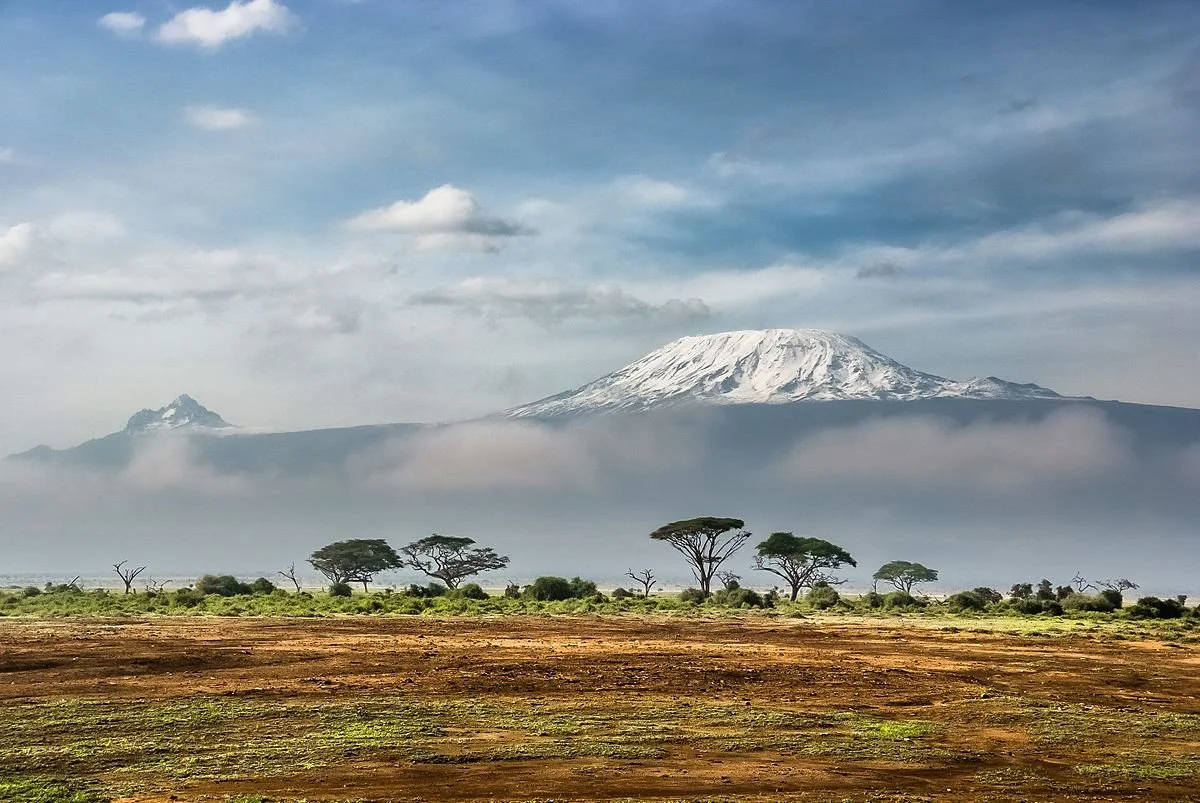
Mount Kilimanjaro, Tanzania
Summiting Mount Kilimanjaro, the iconic free-standing peak rising above northern Tanzania, is a powerful reminder of what disciplined effort and calm leadership can achieve. At 5,895 meters (19,341 feet), Uhuru Peak sits above the clouds, and is reached after days of steady acclimatization and mental focus. The journey from lush rainforest to alpine desert to an arctic summit in a single ascent is an entire planet’s worth of ecosystems stacked on one mountain. The final summit push which starts at midnight, ends with being one of the people in the highest position on the entire planet, watching the sun rise over Africa. The sense of achievement and awe brings clarity and inspiration to one’s life. …
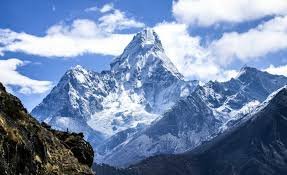
Everest Base Camp, Nepal
Trekking to Everest Base Camp takes you into the cultural and spiritual heart of the Himalayas. At 5,364 meters (17,598 feet), Base Camp sits beneath the immense south face of Everest, a place where the scale of the mountains reshapes your sense of proportion. The journey follows ancient Sherpa trails, crossing high suspension bridges, passing prayer wheels and monasteries, and climbing steadily through thinning air toward the world’s highest peak – all while experiencing the extraordinary warmth, beauty and calm of the Nepalese people. The nature is stunning – its beauty seemingly beyond reality – and its immense scale cannot but help one put their life in perspective.
Dolomites, Italy
Hiking through the Dolomites is an invigorating journey through gorgeous and varied landscapes. The trails wind beneath vertical limestone towers, across high alpine meadows, and along ridgelines that reveal new valleys with every turn. Elevations vary widely, but many routes rise above 2,500 meters, offering clear, panoramic views of peaks that glow pink at dawn and dusk. Charming mountain refuges punctuate the journey, blending warm hospitality with dramatic surroundings. The combination of rugged terrain and refined alpine culture creates a rhythm that’s both adventurous and remarkably serene. And, of course, every meal in Italy is a delightful experience – especially after a long trek.
Courchevel, France
Courchevel is part of the Three Valleys, which is the world’s largest interconnected ski resort. Courchevel offers an exceptional blend of elegance, scale, and genuine alpine adventure. The terrain is extremely varied and magical – groomed pistes, hidden gulleys, wide powder bowls, and vast backcountry – which is both rugged and gentle-feeling at the same time. One of the best parts of Courchevel is lunch – the mountain is dappled with extraordinarily charming chalet restaurants. Long gourmet lunches with champagne sitting in the sun overlooking the mountains is possibly the best way to spend an afternoon anywhere in the world. Lunch on the mountain in Courchevel is a tangible reminder rewards that come with the hard work of being a CEO.
Chimborazo & Cotopaxi, Ecuador
Trekking in Ecuador transports you to a magical world, often rising above the clouds. Climbing Chimborazo and Cotopaxi offers a striking introduction to Ecuador’s high Andes, where volcanic giants rise cleanly from sweeping plains. Cotopaxi, at 5,897 meters (19,347 feet), is a near-perfect cone capped by an elegant ice dome, its approach weaving across ash fields and crevassed glacier. Chimborazo – Ecuador’s highest peak at 6,263 meters (20,548 feet) is even more otherworldly; because of the Earth’s equatorial bulge, its summit is the farthest point from the center of the planet. Climbing these mountains with pickaxes and crampons at night to summit with the sunrise is not for the feint of heart – I must admit I was not too sad that we had to descend early due to avalanche risk!
Verbier, France
While there are broad pistes in Verbier, the mountain is known for its backcountry skiing – steep faces, long gullies, and high bowls that invite exploration and adventure. With the summit at 3,330 meters (10,925 feet), the high alpine feels immediate and expansive, often with views stretching toward the Matterhorn and Mont Blanc. Venturing into the backcountry with a guide reveals the resort’s wilder side: quiet snowfields, clean fall lines, and the satisfying sense of moving through big, open mountain space. Verbier is also known for its apres-ski and nightlife, which will take care of any energy left after a hard day of skiing.
Chamonix, France
Skiing in Chamonix, set at the foot of Mont Blanc, offers a blend of steep alpine drama and classic mountain heritage. The valley’s lifts lead to high, glaciated terrain – long descents framed by towering granite spires, narrow gulleys, and vast open faces shaped by centuries of ice. Even the gentler pistes carry the unmistakable energy of a place that helped define modern alpinism. The combination of technical terrain, big-mountain atmosphere, and a town steeped in mountaineering history makes Chamonix one of skiing’s most iconic destinations.
Alta & Snowbird, Utah
Skiing Alta and Snowbird offers an exceptional mix of deep powder, steep terrain, and a landscape shaped by consistent winter storms. Alta’s classic feel – narrow chutes, soft bumps, and long fall-line runs – pairs wonderfully with Snowbird’s more expansive bowls and high-alpine access. With summits rising to roughly 3,353 meters (11,000 feet), both mountains sit perfectly positioned to receive the region’s famed “Greatest Snow on Earth,” light and dry and endlessly replenished. Traversing the two resorts in a single day creates a satisfying rhythm: morning turns in sheltered glades and afternoon laps through wide open bowls. It’s a place where the skiing feels very pure.
Davos & Klosters, Switzerland
Skiing in Davos and Klosters offers a welcome counterbalance to the intensity of the World Economic Forum – broad alpine slopes, crisp air, and a sense of open space that contrasts sharply with the conference halls. The interconnected mountains rise above quiet spruce forests and long, rolling pistes that invite fast, fluid skiing. Higher lifts at Davos reach terrain with wide, sunlit bowls and sweeping views, while Klosters adds a more traditional, understated charm. Slipping out for a few hours on the snow provides a reset: clear horizons, steady movement, and the simple pleasure of traveling through winter landscape before reentering the frenzied pace of the conference below.
Upcoming Trips
Nisekko, Japan
Skiing in Niseko, on Japan’s northern island of Hokkaido, is defined by its extraordinary snowfall and a landscape that feels both serene and elemental. The resort’s gentle volcano, Mount Annupuri, rises to 1,308 meters (4,291 feet), but what Niseko lacks in altitude it more than makes up for in consistency and depth of powder – dry, feather-light snow carried in from Siberia. Long, playful tree runs, wide bowls, and easily accessed backcountry give the mountain an inviting yet adventurous character. Between sessions, the blend of Japanese hospitality, natural hot springs, and quiet winter villages creates an atmosphere that is uniquely restorative, making Niseko one of the world’s most memorable ski experiences.
Madiera, Spain
Hiking and canyoning in Madeira, the volcanic island off Portugal’s Atlantic coast, reveals a landscape shaped by steep ridgelines, deep emerald gorges, and a network of trails alongside irrigation canals that trace the contours of the mountains. The hikes move through lush laurel forests, along narrow pathways carved into cliffs, and up to high peaks often wrapped in shifting cloud. Canyoning adds a more dynamic dimension: descending waterfalls, sliding through natural chutes, and navigating clear volcanic pools in narrow, fern-lined ravines. The combination of dramatic topography, subtropical vegetation, and the island’s ever-changing light makes Madeira feel both remote and vividly alive – an ideal setting for immersive, physical exploration.
Future Trips
Mount Triglav, Slovenia
Climbing Triglav, Slovenia’s highest peak at 2,864 meters (9,396 feet), offers a striking mix of alpine experience and cultural significance – every Slovene is said to climb it at least once. The ascent moves from quiet limestone valleys into sharper, high-mountain terrain, finishing with the airy ridge and fixed cables that lead to the summit’s distinctive metal tower. The Julian Alps spread out in clean, layered horizons, giving the climb a sense of spaciousness and understated drama. Paired with Slovenia’s tradition of apitherapy – using beehive air, honey, and propolis for relaxation and respiratory wellbeing – the trip takes on a restorative dimension. After days on the mountain, sitting in a wooden bee house with the subtle hum of thousands of bees (portioned off in the walls) adds a grounded, calming counterbalance to the intensity of the climb.
Atlas Mountains, Morocco
Summiting Mount Toubkal, the highest peak in North Africa at 4,167 meters (13,671 feet), offers a vivid blend of rugged alpine terrain and the distinct cultural character of Morocco’s High Atlas. The route begins in a local Berber village and rises steadily through barren valleys, stone huts, and long stony slopes toward the mountain’s broad summit ridge. As you gain altitude, the landscape shifts from dusty ochre to stark, wind-shaped rock, with expansive views stretching toward the Sahara. Reaching the summit feels both elemental and intimate – an unexpectedly quiet vantage over a region defined by centuries-old mountain life, crisp high-altitude air, and the vast horizons of North Africa.
Fjords, Norway
Trekking in the fjords of Norway unfolds as a series of sweeping vistas carved by ice and shaped by an ever-shifting interplay of water, rock, and sky. Trails rise from quiet coastal villages into high plateaus, skirting sheer cliffs that plunge into deep, glassy fjords far below. The terrain varies from soft mossy paths to rugged granite ridges, often with views that shift dramatically as clouds drift through the valleys. Long summer days create a sense of spaciousness – hours of light to wander among waterfalls, glacial lakes, and forests scented with pine. The combination of vast, glacially sculpted landscapes and the tranquil rhythm of Scandinavian wilderness gives trekking in Norway’s fjords a calm, timeless quality.